

Spring Cleaning Your Dental Routine
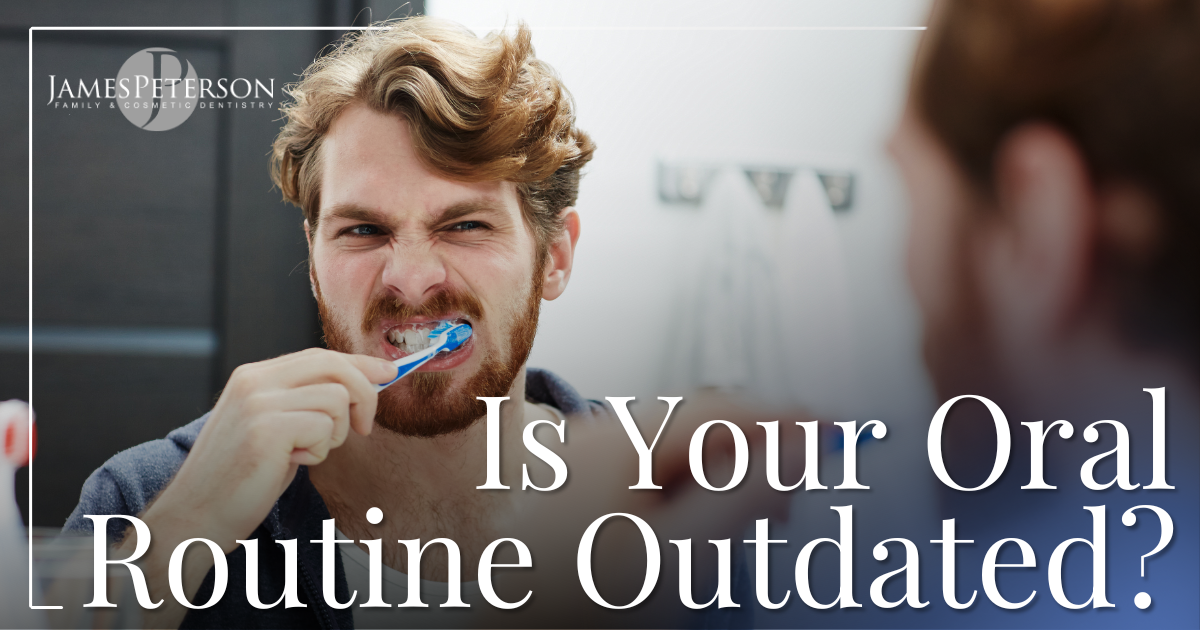
You probably deep-clean your house each spring, tossing expired products and refreshing your living space. Your dental routine deserves the same attention, yet so many people use the same toothbrush for months too long and stick with oral care products that might no longer be serving them well. Spring is almost here, and it’s the perfect opportunity to evaluate what’s working, what needs replacing, and what new products might improve your oral health.
Why Your Oral Care Products Need Regular Updates
Your mouth changes over time, and the products you used last year might not address your current needs. Receding gums, sensitivity, or new dental work can all influence which products work best for you. The oral care industry also evolves constantly, with improved formulations and technology that genuinely make a difference. Taking time to reassess your routine ensures you’re giving your teeth and gums the best care possible rather than just going through motions with products that no longer fit your situation.
Sometimes, we will recommend specific products during a cleaning, but the patient may forget what we said when the time comes to do the shopping. Other times, our patient wants to address an issue like bad breath or staining but has never gotten around to finding the right product. A dedicated refresh of your entire routine creates momentum to actually implement changes instead of just thinking about them.
What Needs Replacing Right Now
Certain items in your dental care arsenal have definite expiration points at which replacement becomes necessary for hygiene and effectiveness. Your toothbrush should be replaced every three to four months, or sooner if the bristles look frayed or splayed. Worn bristles don’t clean effectively and can actually damage your gums. If you’ve been sick recently, replace your toothbrush immediately afterward to avoid reinfecting yourself.
Mouthwash and toothpaste do expire, though most people never check the dates. Expired products lose effectiveness and can harbor bacteria. Check the bottom or crimp of your toothpaste tube and the bottom of your mouthwash bottle for expiration dates. Water flossers need new tips every three to six months, and traditional floss containers that have been open for over a year should go too. The floss itself can harbor bacteria once the package is opened, especially in a humid bathroom environment.
Upgrading Your Routine for Better Results
Consider whether your current products actually address your specific concerns or if you’re just using whatever’s on sale:
- Toothbrush technology – Electric toothbrushes remove significantly more plaque than manual brushing when used correctly. If you’re still using a manual toothbrush, upgrading to an electric one with a pressure sensor and timer can do wonders for your at-home oral health routine. Already using an electric toothbrush? Consider looking into a newer model with better battery life and more customizable settings.
- Targeted toothpaste – Generic toothpaste works fine for basic cleaning, but specialized formulas address specific problems. Sensitive toothpaste helps calm tooth sensitivity if you use it consistently for two weeks. Whitening toothpaste with the ADA Seal of Acceptance can maintain brightness between professional treatments. If you’re prone to cavities, high-fluoride prescription toothpaste might be worth a discussion.
Making Changes That Stick
The best oral care routine is one you’ll follow consistently. Don’t overhaul everything at once to avoid feeling overwhelmed. Pick one or two changes and integrate them fully before adding more. Replace your toothbrush and mouthwash this week. Then, reassess your toothpaste choice next month. Small, sustainable changes help build lasting habits. For more recommendations, schedule an appointment at James Peterson Family & Cosmetic Dentistry, located in Coppell, TX.